Digital Marketing 101 · Step 2 of 5

← Step 1: Marketing Channels | Step 3: Get Found →

Step 2 of 5

Build a Brand Customers Can Know, Like, and Trust

Before people buy, they look for signals that your business understands their needs, can deliver what it promises, and will treat them well.

Your brand is more than a logo. It is the accumulated impression created by your website, search presence, reviews, content, communication, and every interaction a prospective customer has with your business.

Know like and trust framework for building a business brand

Marketing Begins the Sales Relationship

Good marketing does not pressure strangers to buy. It helps the right people move from unfamiliarity to confidence.

1. Become Known

Customers cannot choose a business they never encounter. Search visibility, advertising, social media, content, listings, and referrals create the introduction.

Question answered: Who are you?

2. Become Relevant

Clear services, useful information, recognizable values, and an understanding of the customer’s problem create connection and likability.

Question answered: Do you understand me?

3. Become Trusted

Professional presentation, reviews, evidence, consistency, transparency, and responsive communication reduce the risk of choosing you.

Question answered: Can I rely on you?

Building a recognizable and trustworthy business brand

Every Channel Contributes a Different Trust Signal

  • Your website demonstrates professionalism and explains your value.
  • Search visibility makes the business appear established and relevant.
  • Google Business Profile and listings confirm essential business details.
  • Reviews show the experience of real customers.
  • Content demonstrates knowledge and helpfulness.
  • Social media creates familiarity and ongoing presence.
  • Advertising introduces timely offers to selected audiences.

Trust grows when these signals agree. Conflicting information, an outdated website, unanswered reviews, or inconsistent messaging creates doubt.

The Sale Happens After Confidence Begins

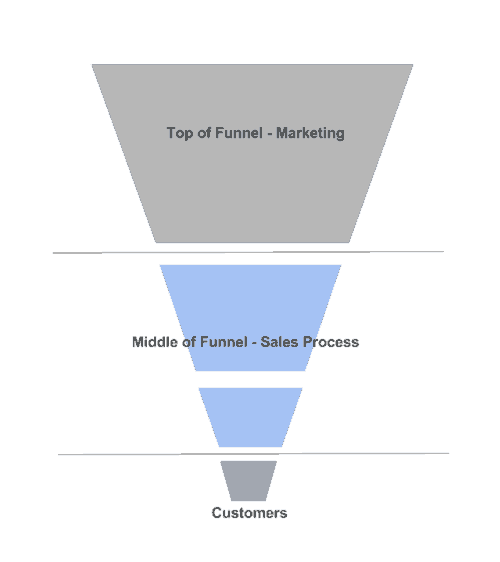
Marketing prepares the relationship. It creates the first impression, establishes relevance, and gives buyers reasons to continue. Selling then provides specific information, answers questions, addresses concerns, and helps the customer decide.

The distinction matters. When a business asks for the sale before earning attention and trust, the customer feels pressured. When marketing has already demonstrated understanding and value, the sales conversation becomes a natural next step.

Your digital presence should therefore do more than attract traffic. It should help the visitor feel increasingly confident as they move from one touchpoint to another.

Customer journey from marketing awareness to a sales decision

Consistency Builds Confidence

Use the same business information, value proposition, visual identity, and service promises across your website, profiles, listings, ads, and social channels. Consistency helps customers recognize that every touchpoint belongs to the same dependable business.

Business listing management →

Evidence Reduces Risk

Specific testimonials, relevant reviews, project examples, credentials, clear processes, and honest expectations help buyers believe that the experience you promise is one you can deliver.

Review and reputation management →

Next decision

Trust Matters Most When the Right Customer Finds You

Brand building prepares people to choose you. Search marketing adds another advantage: it places those trust signals in front of people who already have a need and are actively looking for a solution.

Digital Marketing 101 · Step 2 of 5

← Step 1: Marketing Channels | Step 3: Get Found →